Atelierjones heats up the design industry
Susan Jones’s Atelierjones and Heartwood, a mass timber workforce housing project showing how wood buildings can store carbon.
By Tadashi Shiga, with the RSIR Digital TeamPublished
As we progress further into a stage of design and construction that is increasingly focused on improving sustainability and eco-conscious practices and materials, there’s nothing more exciting than learning about a new innovative technique implemented by today’s designers. In this blog, we’re highlighting the remarkable efforts of Atelierjones, a design firm founded by Principal Architect Susan Jones over 20 years ago.
A firm making a difference
Described as “devoted to the vision that design can help shape local communities and promote sustainable changes in the building industry,” this woman-owned company’s notable contribution—one of many—to the sustainable design space has been to promote carbon sequestration efforts in construction. Carbon sequestration decreases the amount of carbon dioxide in the atmosphere, which helps slow the effects of climate change.
Heartwood brings about big changes
Atelierjones has explored the benefits of using cross-laminated timber, which is lighter, stronger, and better for earthquakes—making it valuable particularly in the Pacific Northwest where the firm is based. Heartwood is one of the firm’s most impressive projects to date. It is the country’s first building finished under the new International Code Council (ICC) building codes. Susan represented the American Institute of Architects in advocating the change that brought about the allowance for wood high-rise buildings of up to 18 stories tall. To accomplish this goal and prove that wood buildings of this height could safely be built and maintained, Susan helped write the ICC Fire Test Protocols. The effort included designing full-scale building models of the system used in Heartwood and then setting them on fire to determine how much wood would burn.
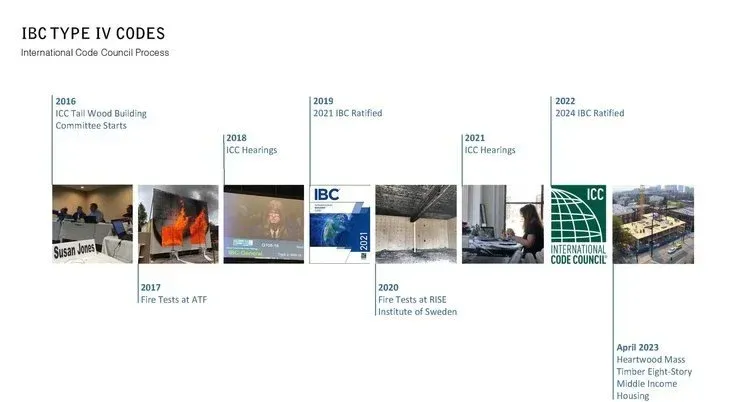
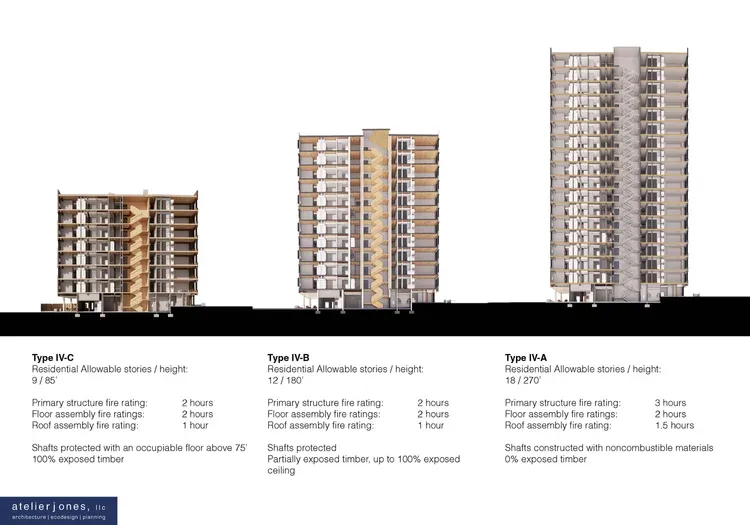
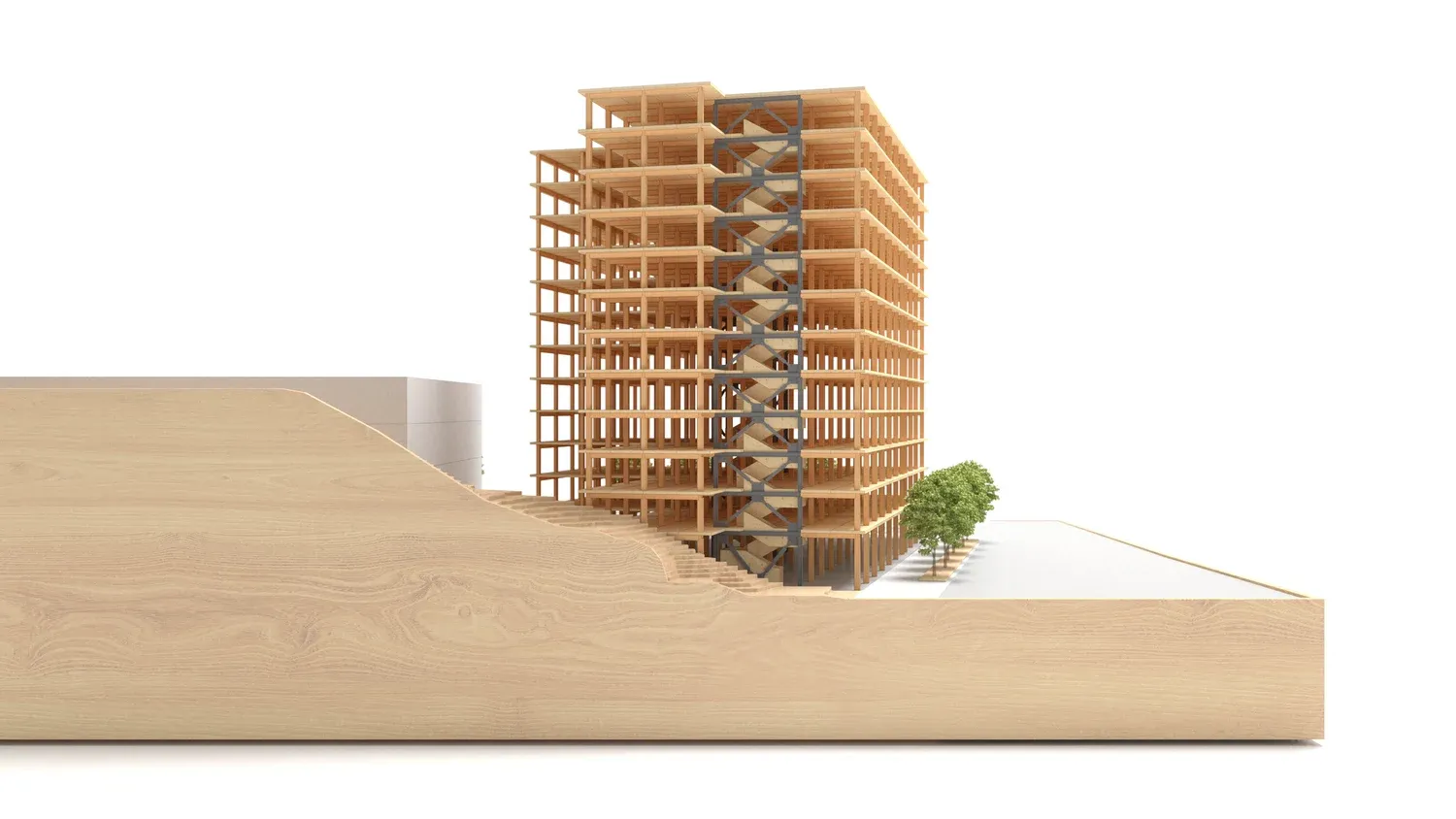
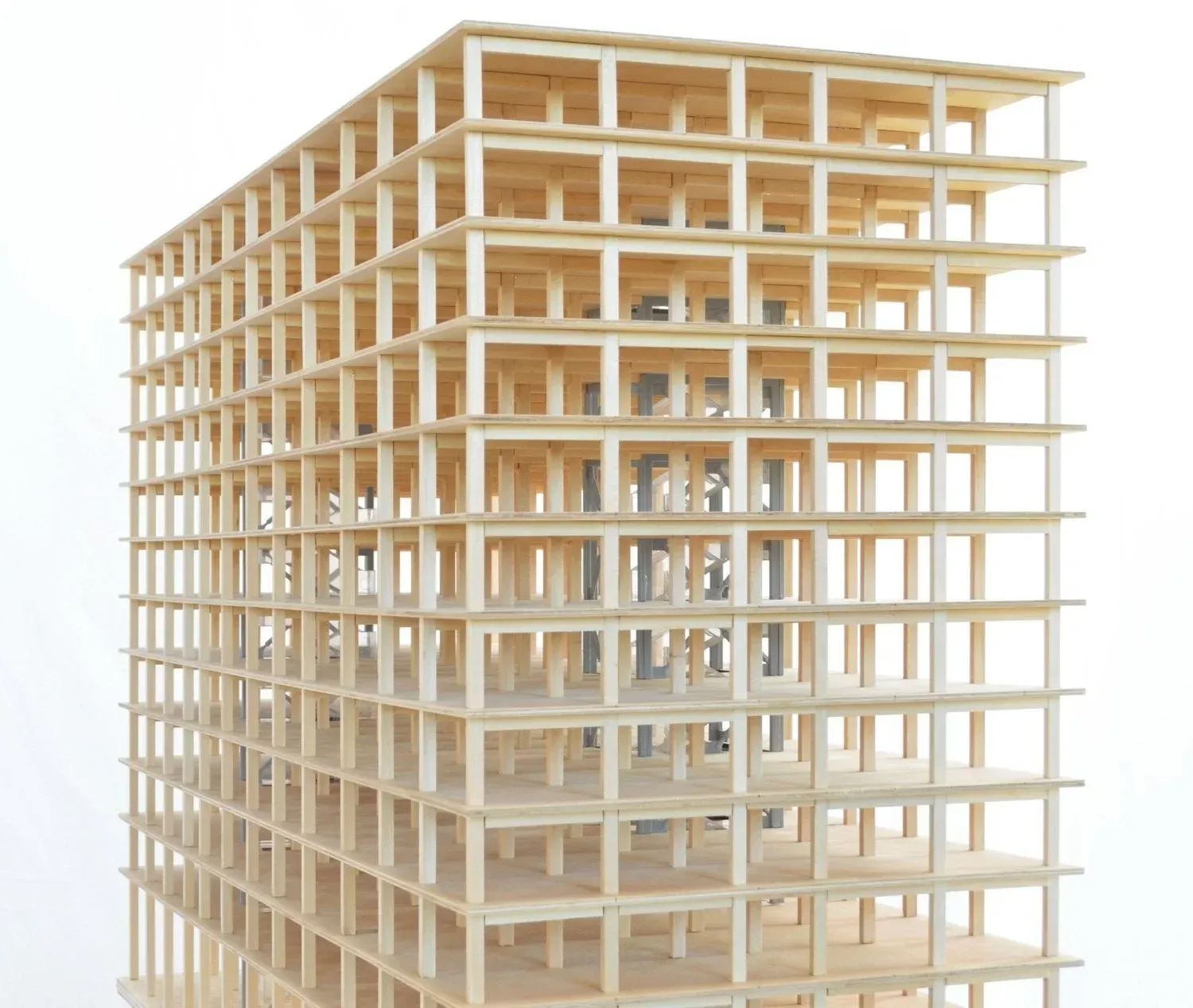
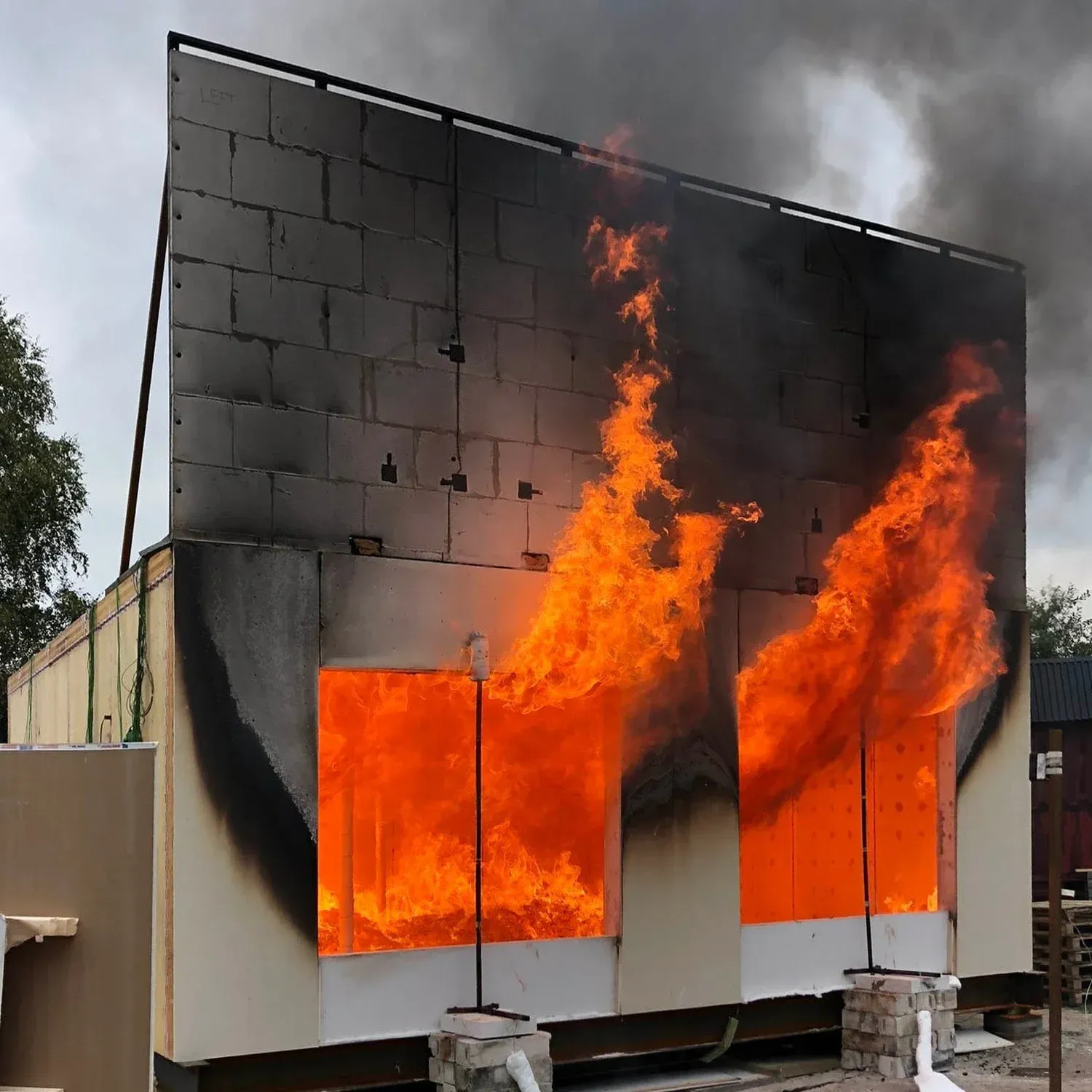
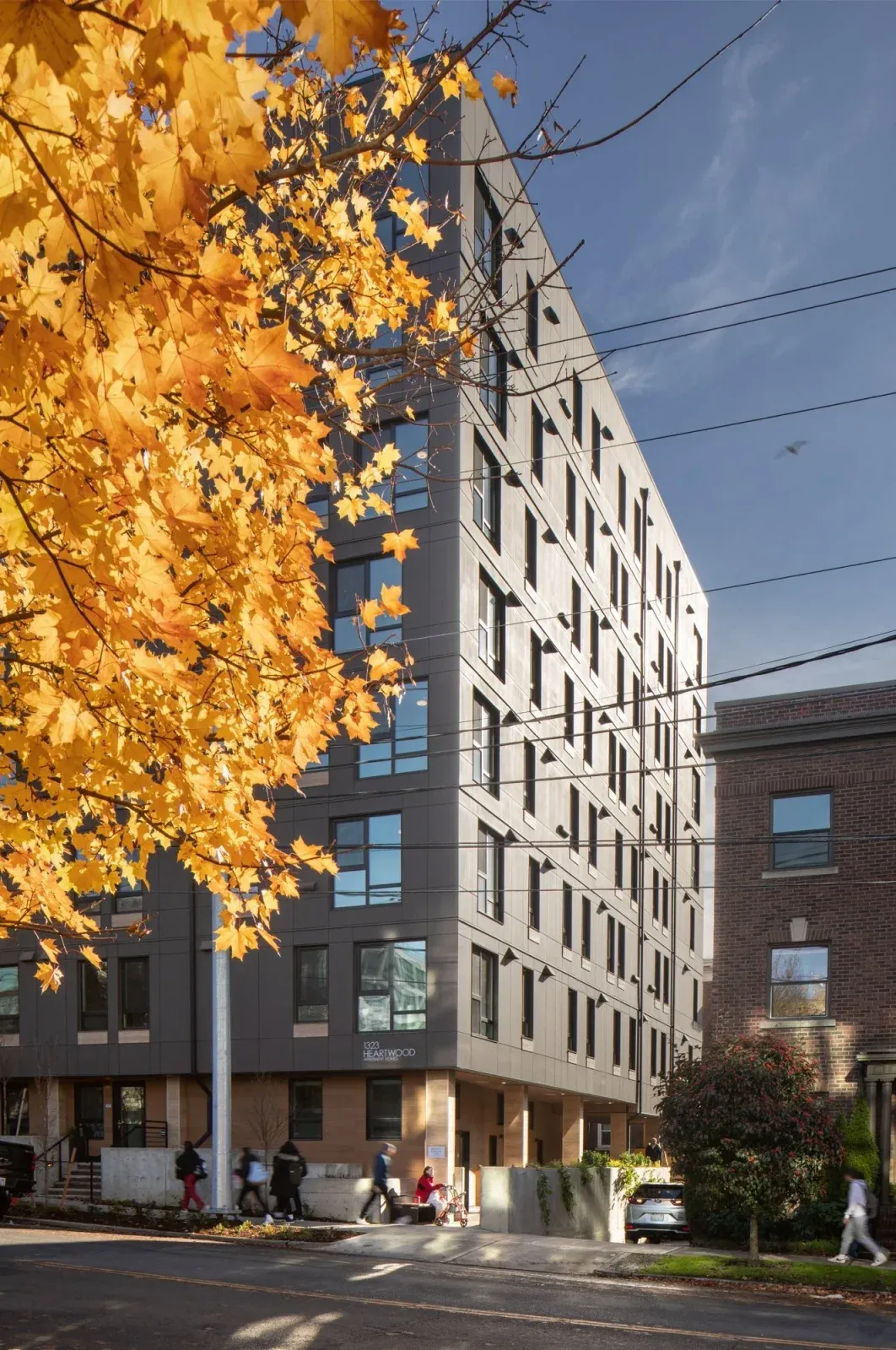
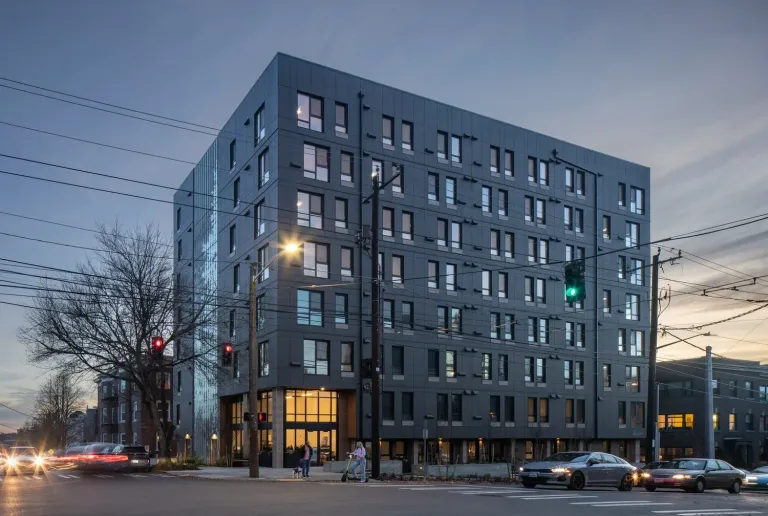
Susan’s efforts, including four other fire tests conducted in Washington D.C., were ultimately successful, and in 2021 the International Building Code (IBC) was changed to include what is now considered a Type-IV building. After the code was changed, Susan and her team were free to proceed with the construction of Heartwood. In addition to being constructed of sustainably harvested and locally sourced wood, this 67,000-square-foot building provides much-needed “missing middle” housing in Seattle.
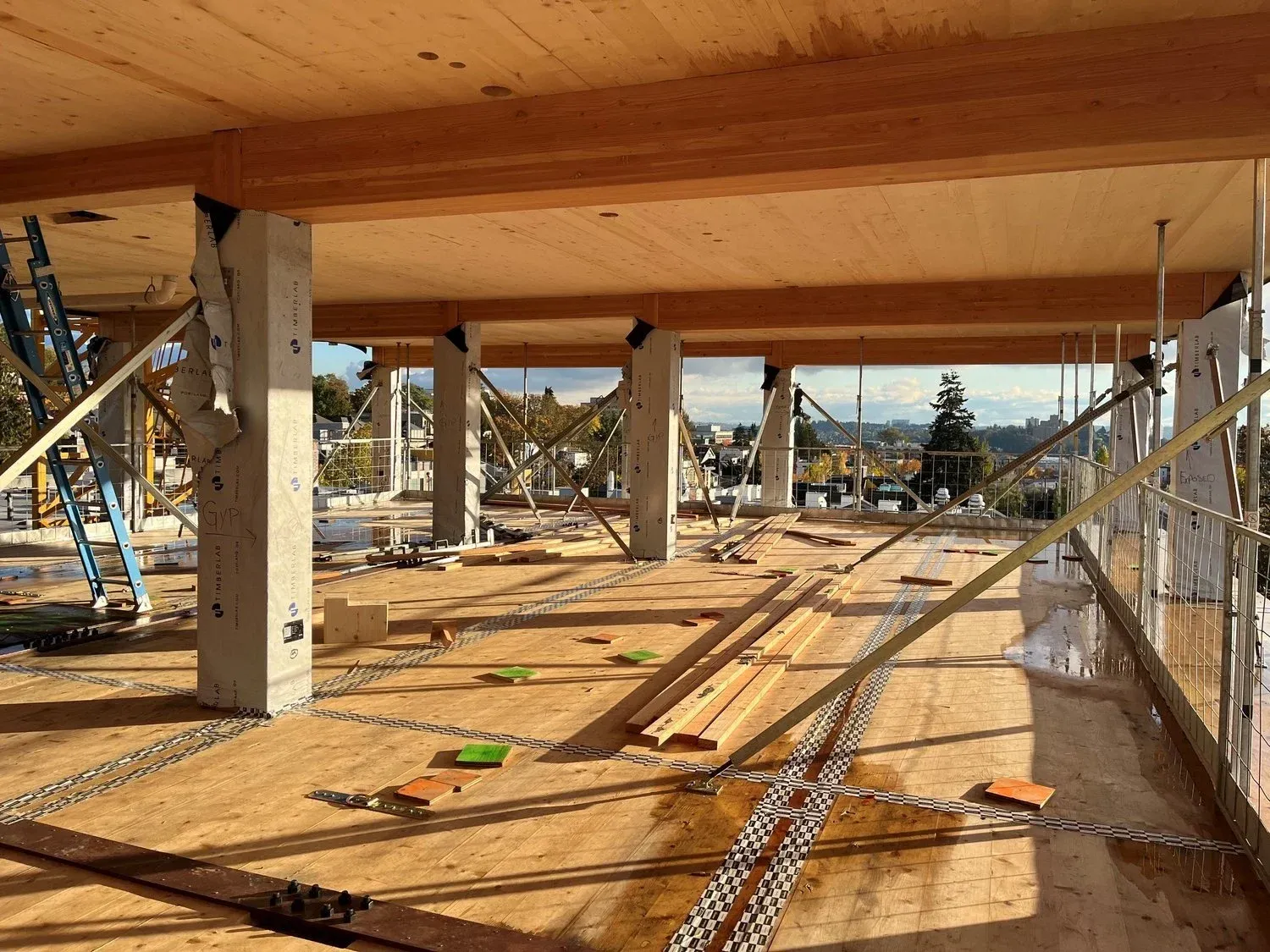
The hybrid mass timber and steel form stands eight stories tall with 126 units. Not only were the materials more cost-effective, but they also created a smaller carbon footprint. According to research conducted by the University of Washington, Heartwood had a 38 percent lower potential for global warming than a concrete building of the same size and form. The intention and thought that went into creating this building spans 100 years into the future, as atelierjones anticipates that 80 percent of the mass timber used in the building’s construction will be able to be reused in other buildings. This level of forethought is inspiring to see in sustainability efforts, as it’s crucial that as we build today, we also have tomorrow in mind.
Explore Susan’s work
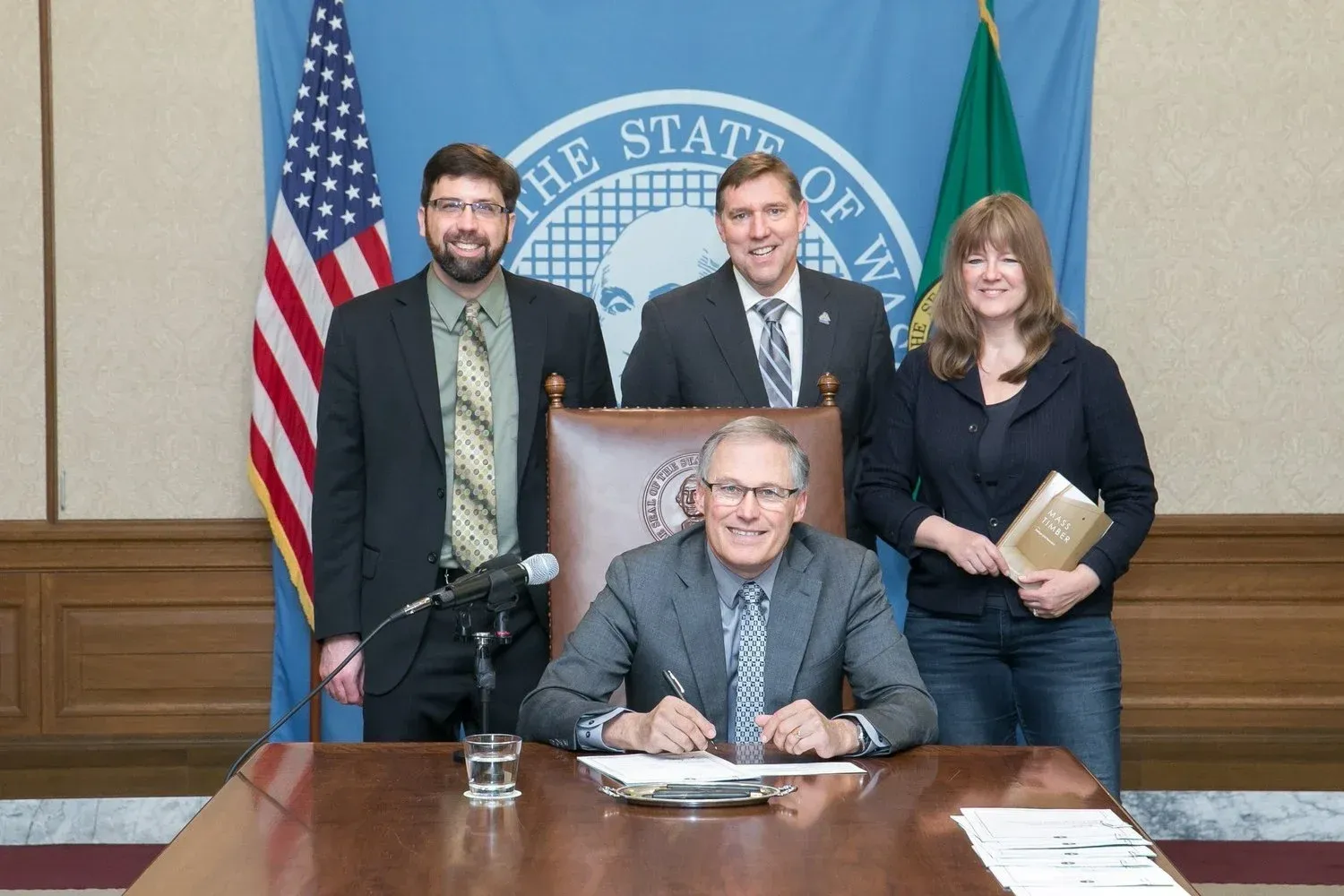
For more information on Susan’s eco-friendly and cutting-edge design techniques, you can explore the atelierjones website or her 2017 book Mass Timber | Design and Research, which details her work and research designing and experimenting with mass timber and her family’s long history within the Pacific Northwest region.
As always, if you’d like to discuss this blog or development and investment opportunities, please reach out to me. I’d love to connect and chat about additional exciting sustainable projects in the pipeline.